Evacuation
The evacuation of civilians during World War 2 was constructed to ensure the public safety. During the war, large cities such as London were targeted throughout the Blitz because a large percentage of the country's population inhabited the cities. Due to the German bomb rades, living in the city became extremely dangerous; for example houses, public buildings and famous landmarks were destroyed as a result of the bombings. And in addition, a tremendous amount of people either died or suffered major injuries. It became apparent that something needed to be done urgently.
Civilians were evacuated to the countryside because the countryside appeared safe. These people included children, teachers and the disabled, who were given priority in the spaces for evacuation. Adults were also included, but not many as it seemed more appropriate to keep children safe.
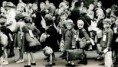
Children evacuees were transported to the countryside by train and were then presented to the locals who hand-picked the children they thought were suitable for them to care for. The remaining children were often carried from door to door to see who was willing to care for them.
Unfortunately, it was very problematic task because city children, in the countryside, had a stero-typical reputation of being troublesome, unhygienic and unintelligent. Consequently, this had a negative impact on the evacuees' lives at school and at their foster home. Significantly, the local children may not have welcomed the city children because they felt that they were intruding. Moreover, teachers and guardians also behaved in a similar way because some evacuees reported later on that they were mistreated, disrespected and set aside from the rest.
On the other hand, evacuees were welcomed and supported by their carers and the locals, as many people acknowledged that being an evacuee would have been a traumatic occurance due to the seperation from their family and the extraordinary change in their surroundings.